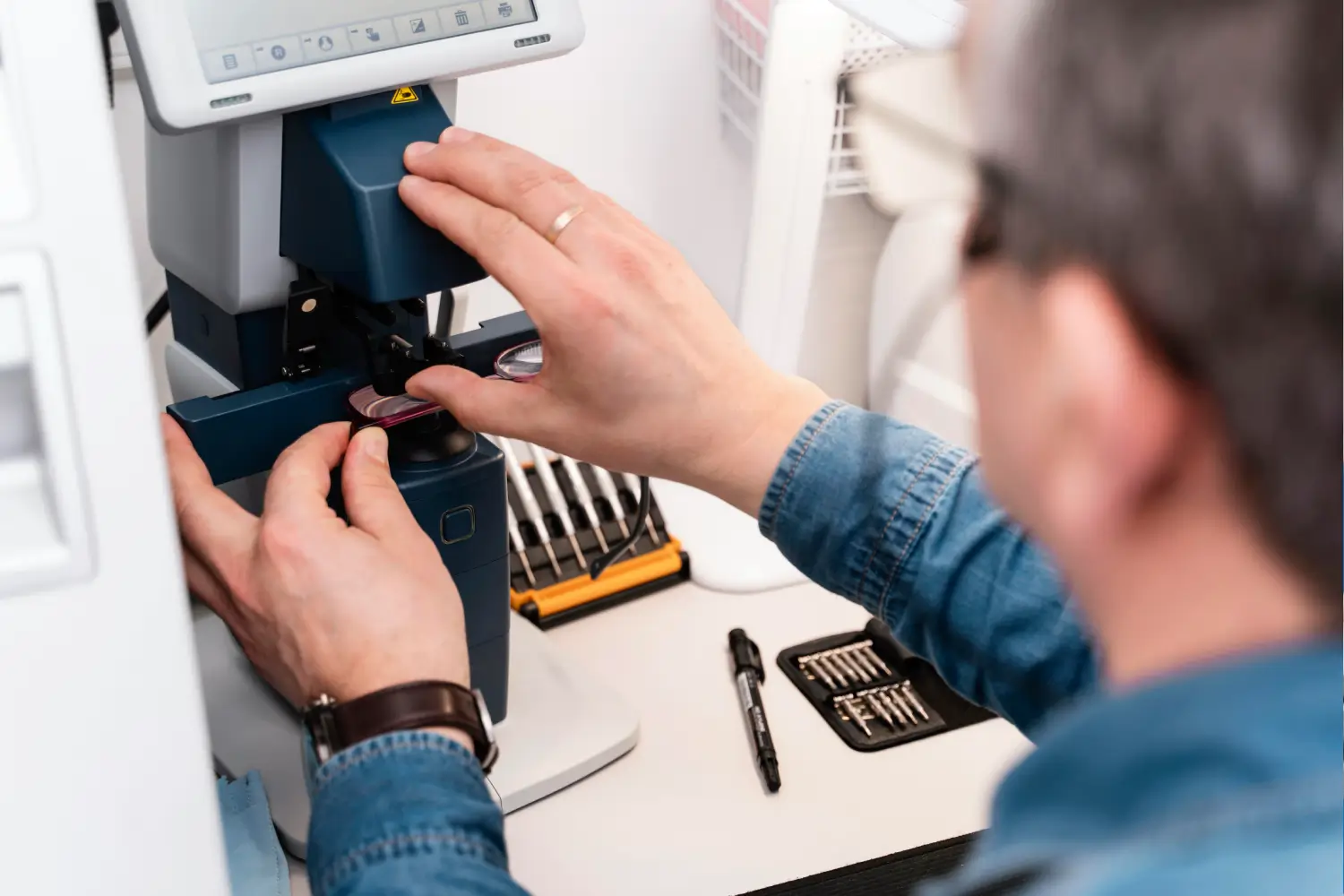

4th Axis CNC Machining Improves Precision in Modern Manufacturing
4th axis CNC machining improves accuracy by allowing complex components to be machined in a single setup. By introducing rotational movement alongside the traditional X, Y, and Z axes, manufacturers can reduce repositioning errors, improve dimensional consistency, and maintain tight tolerances across intricate parts.
In high-precision industrial environments, even minor deviations can affect performance, durability, and assembly fit. Multi-axis machining technology helps eliminate those risks by enhancing repeatability and minimising tolerance stacking.
What Is 4th Axis CNC Machining?
Traditional 3-axis CNC machining operates across three linear movements:
X-axis (left to right)
Y-axis (front to back)
Z-axis (up and down)
4th axis CNC machining adds rotational movement — commonly referred to as the A-axis. This rotation allows the workpiece to turn during machining, enabling multiple sides of a component to be processed without removing and resetting the part.
This additional axis significantly improves machining efficiency while maintaining precision CNC milling standards.
How 4th Axis CNC Machining Improves Accuracy
1️⃣ Reduced Setup Errors
Every time a component is removed and repositioned, there is a risk of alignment deviation. With 4th axis machining, multiple surfaces can be machined in one clamping, dramatically reducing setup-related inaccuracies.
Fewer setups = fewer tolerance errors.
2️⃣ Improved Dimensional Consistency
Rotational machining ensures continuous reference alignment. This leads to:
Better concentricity
More accurate hole positioning
Consistent depth control
Cleaner surface transitions
For industries that rely on high tolerance machining, this level of control is essential.
3️⃣ Lower Tolerance Stacking
Tolerance stacking occurs when small measurement deviations accumulate across multiple setups. By machining complex geometries in one continuous operation, 4th axis CNC machining reduces cumulative deviation and enhances overall part accuracy.
This is especially critical for precision engineering applications such as:
Gear components
Custom tooling
Extrusion dies
Automotive assemblies
4️⃣ Superior Surface Finish
Continuous machining reduces tool marks and alignment shifts between passes. This improves surface finish quality, which contributes to both performance and durability in demanding industrial manufacturing environments.
3-Axis vs 4th Axis CNC Machining
| Feature | 3-Axis CNC | 4th Axis CNC |
|---|---|---|
| Setup Changes | Multiple repositioning required | Reduced setups with rotary movement |
| Accuracy | High | Higher due to fewer alignment shifts |
| Tolerance Control | Good | Excellent for tight tolerances |
| Complex Geometry | Limited multi-side access | Advanced multi-surface machining |
| Production Efficiency | Moderate | Improved with continuous rotation |
While 3-axis machining remains effective for simpler components, 4th axis CNC machining delivers enhanced precision and efficiency for more demanding applications.
Industrial Applications of 4th Axis Machining
4th axis CNC machining is widely used in:
Precision CNC milling for gears
Custom CNC tooling production
Extrusion die manufacturing
Industrial replacement parts
High-accuracy mechanical components
In these sectors, tight tolerances and repeatability are non-negotiable.
Why Tolerances Matter in Multi-Axis Machining
In high-performance manufacturing, tolerances define quality. The smaller the allowable variation, the higher the required machining precision.
4th axis CNC machining supports high tolerance machining by:
Maintaining stable positioning
Reducing manual intervention
Improving repeatability
Minimising dimensional variation
This ensures components fit correctly, perform reliably, and last longer in demanding industrial environments.
When Should You Use 4th Axis CNC Machining?
4th axis machining is ideal when:
A component requires machining on multiple sides
Precision alignment is critical
Tight tolerances must be maintained
Production efficiency needs improvement
Complex geometries are involved
For manufacturers focused on accuracy and durability, 4th axis CNC machining offers measurable advantages.
Need High-Accuracy CNC Machining?
If your project demands precision CNC milling, multi-axis machining, and tight tolerance control, Smart Tooling Ltd delivers advanced CNC machining solutions designed for industrial performance.
Contact our team to discuss your requirements.
Frequently Asked Questions About 4th Axis CNC Machining
Understanding how 4th axis CNC machining improves accuracy helps manufacturers reduce setup errors, maintain tight tolerances, and increase production efficiency. Below are common questions engineers and production managers ask when evaluating multi-axis machining solutions.