Difference Between Extrusion Dies and Injection Moulds is one of the most common questions in industrial manufacturing. While both processes shape materials into precise components, they operate in completely different ways and are used for different production goals. Understanding how extrusion dies and injection moulds function helps businesses choose the right tooling solution for performance, cost efficiency, and long-term durability.
What Are Extrusion Dies?
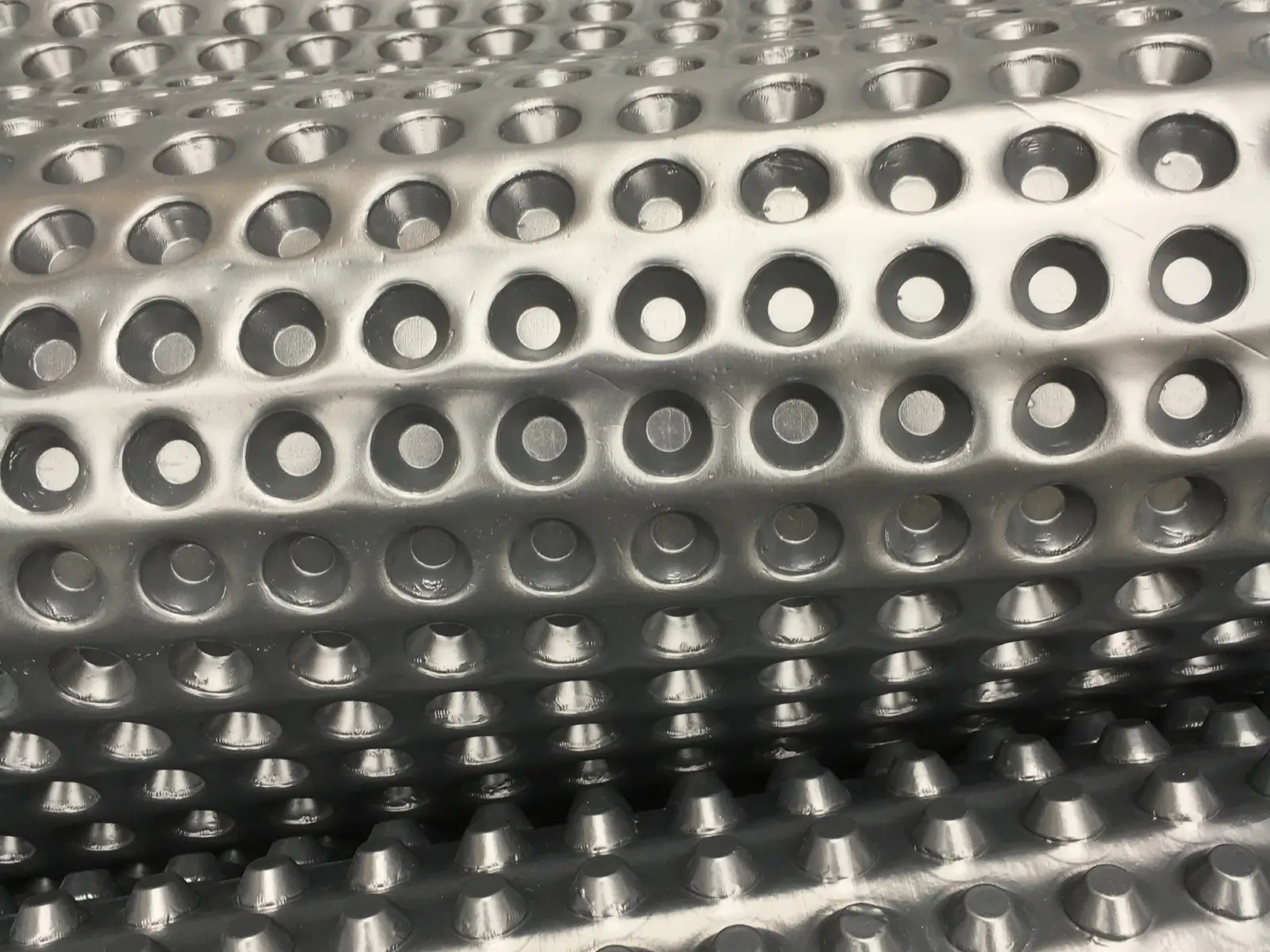
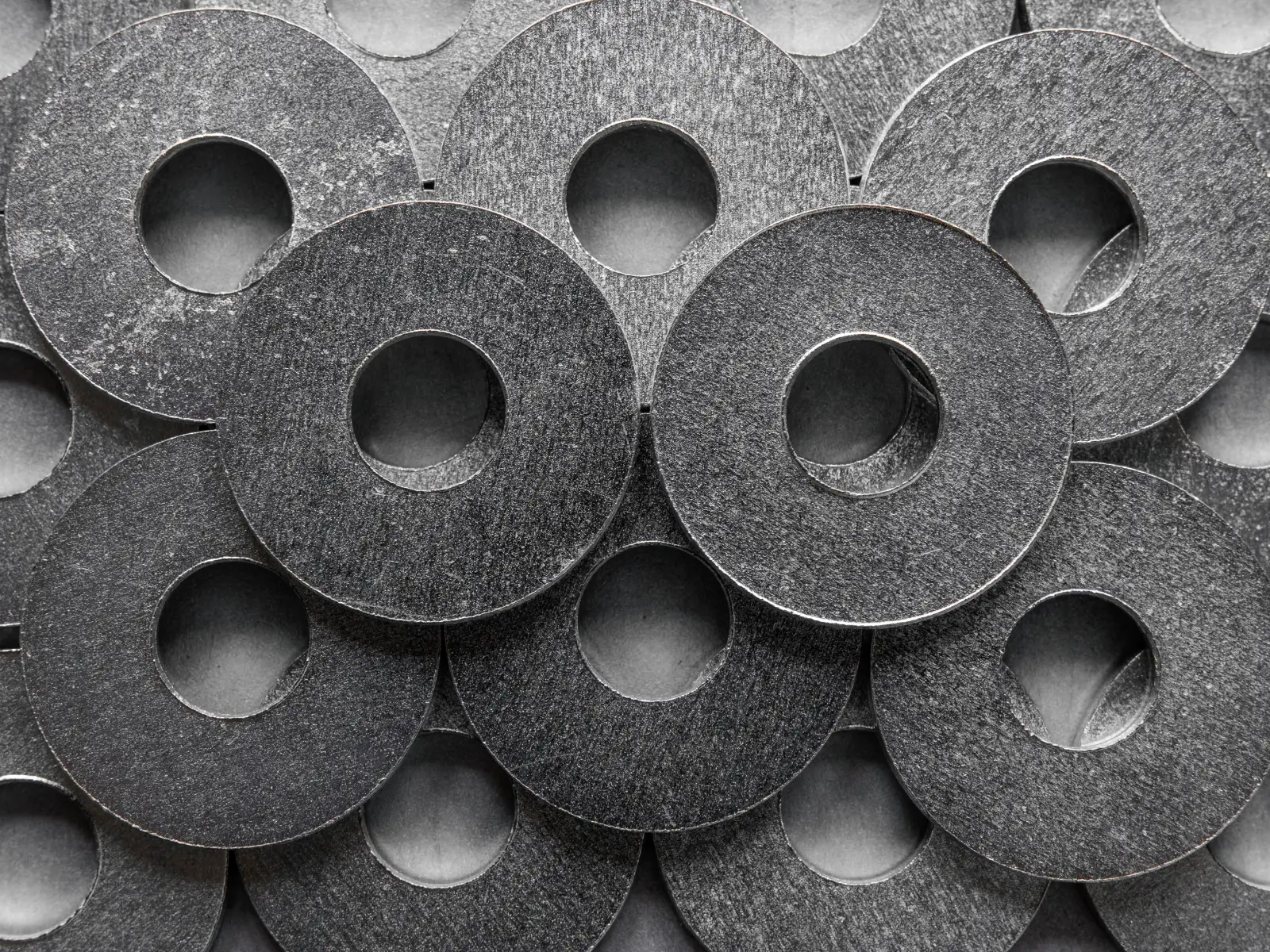
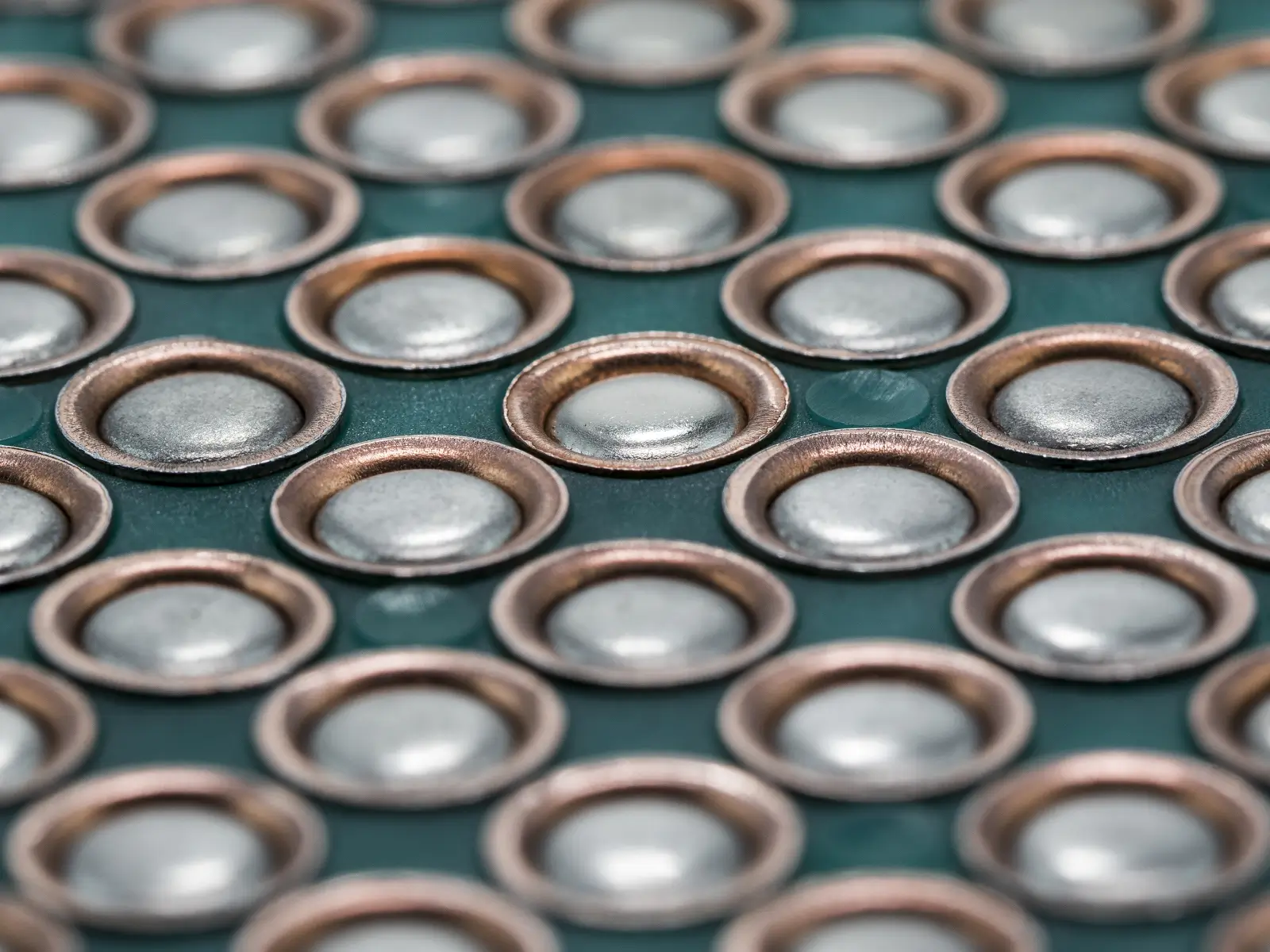
Extrusion dies are precision-engineered tools used to create continuous profiles. Material such as aluminium, plastic, or rubber is forced through a shaped die opening, producing long sections with a fixed cross-sectional shape.
Common Uses:
Aluminium window frames
Structural profiles
Plastic tubing
Industrial rails
Extrusion is ideal for producing consistent shapes in long lengths.
What Are Injection Moulds?
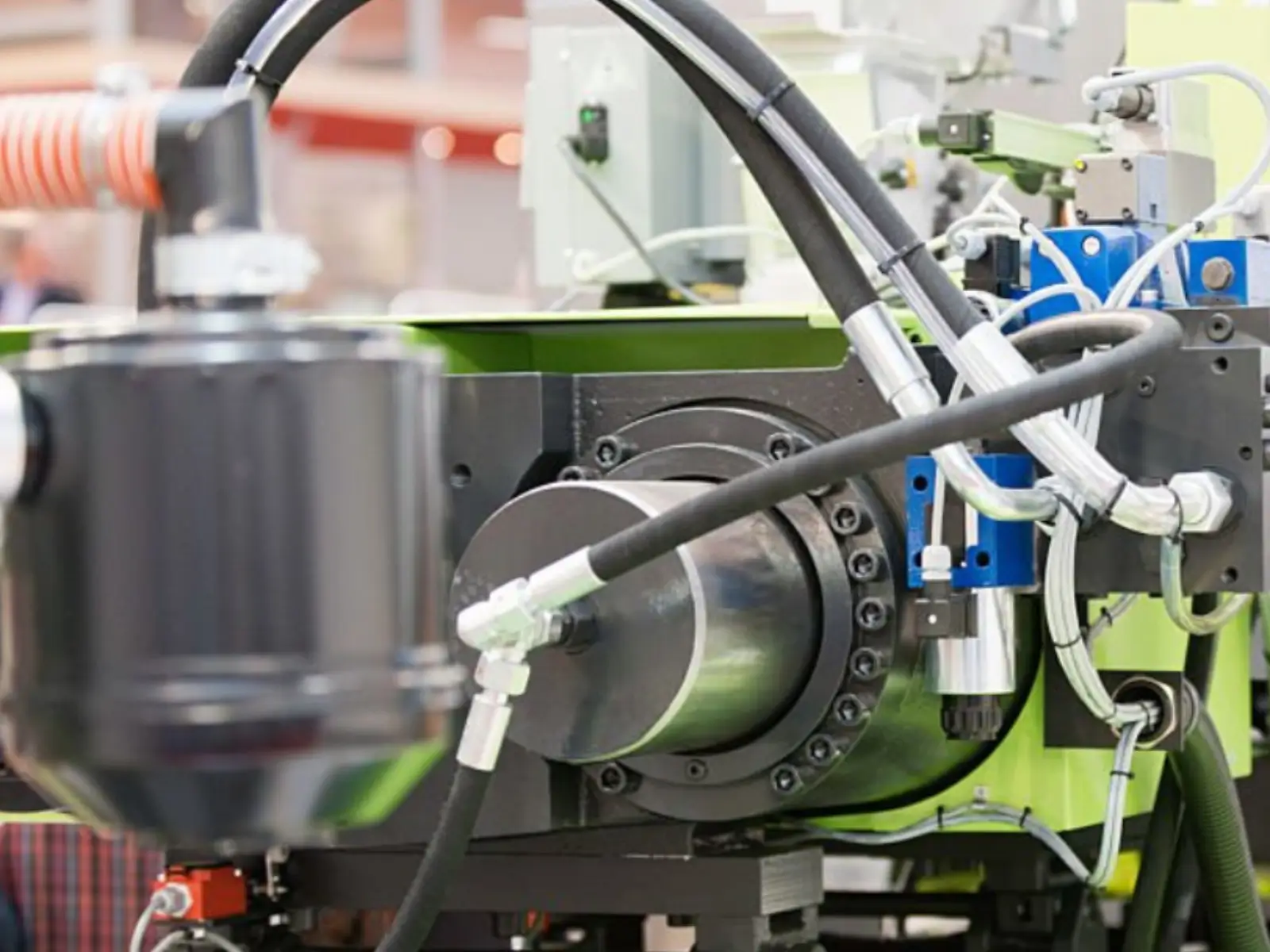
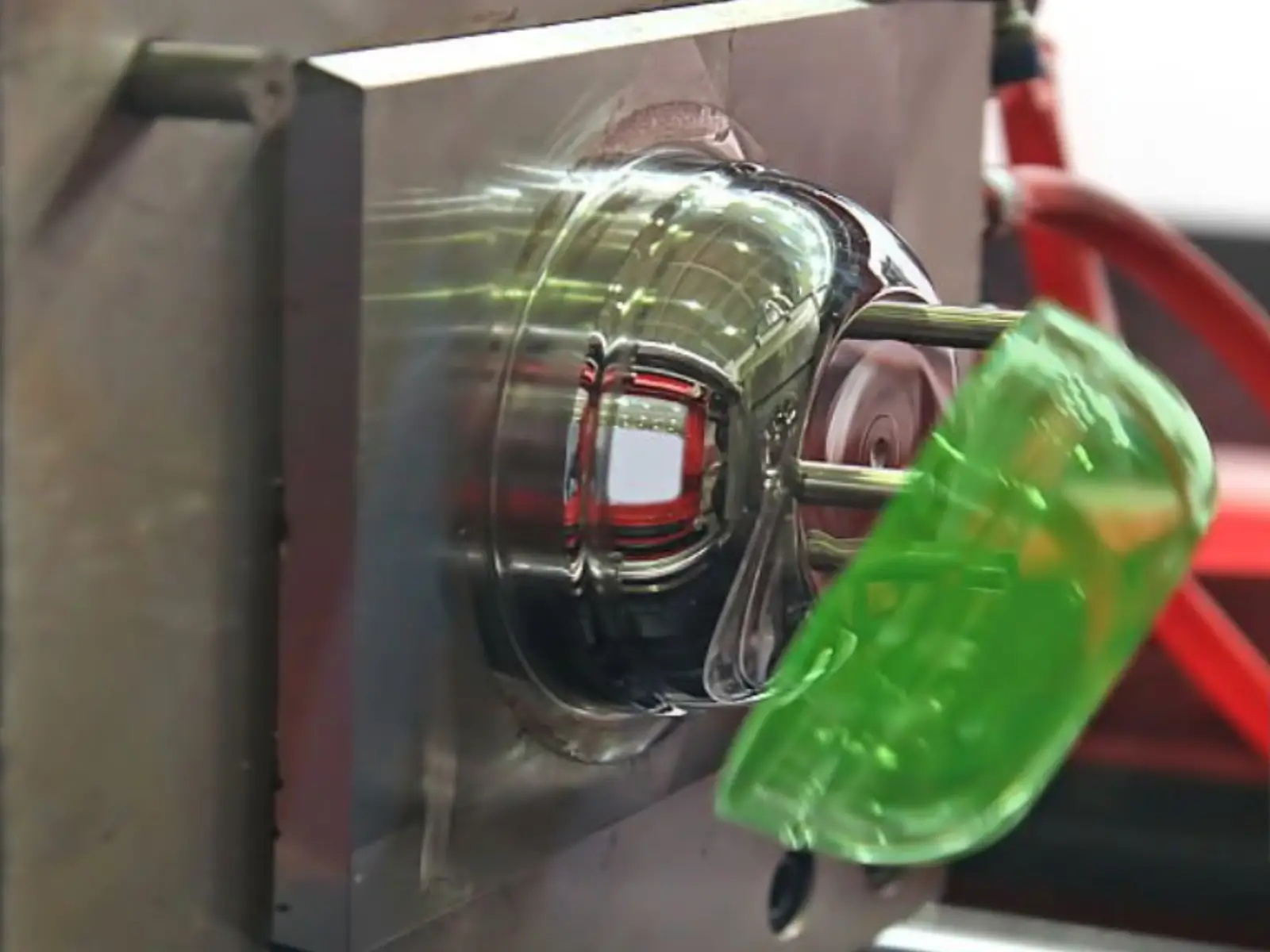
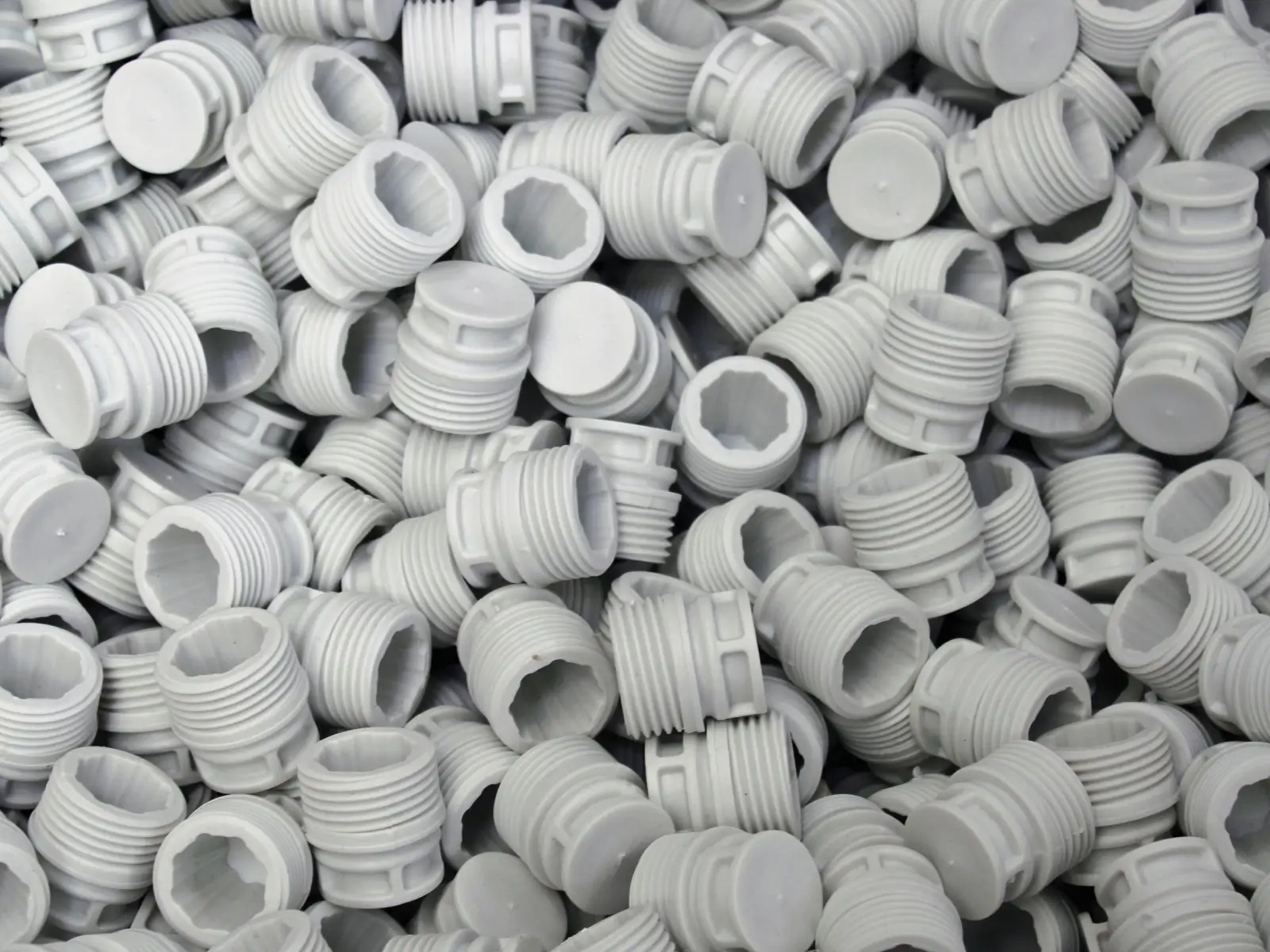
Injection moulds are precision tools used to produce individual, complex parts. Molten material is injected into a closed mould cavity, cooled, and then ejected as a finished product.
Common Uses:
Automotive components
Consumer plastic parts
Electrical housings
Custom industrial components
I
njection moulding is ideal for high-volume production of detailed parts.
Key Differences at a Glance
| Feature | Extrusion Dies | Injection Moulds |
|---|---|---|
| Output | Continuous profiles | Individual parts |
| Process | Material pushed through die | Material injected into cavity |
| Best For | Uniform cross-sections | Complex shapes |
| Production Type | Continuous | Batch / high volume |
| Tool Complexity | Moderate | High precision multi-cavity |
Which One Is Right for Your Project?
Choosing between extrusion dies and injection moulds depends on:
Shape complexity
Production volume
Material type
Budget
End-use performance requirements
At Smart Tooling Ltd, we manufacture both extrusion dies and injection moulds tailored to industrial manufacturing needs across New Zealand.
Precision CNC Machining Questions Answered
Understanding precision CNC machining and high tolerance manufacturing can help businesses make better production decisions. Below are answers to common questions about CNC machining accuracy, custom tooling, and industrial manufacturing performance.