
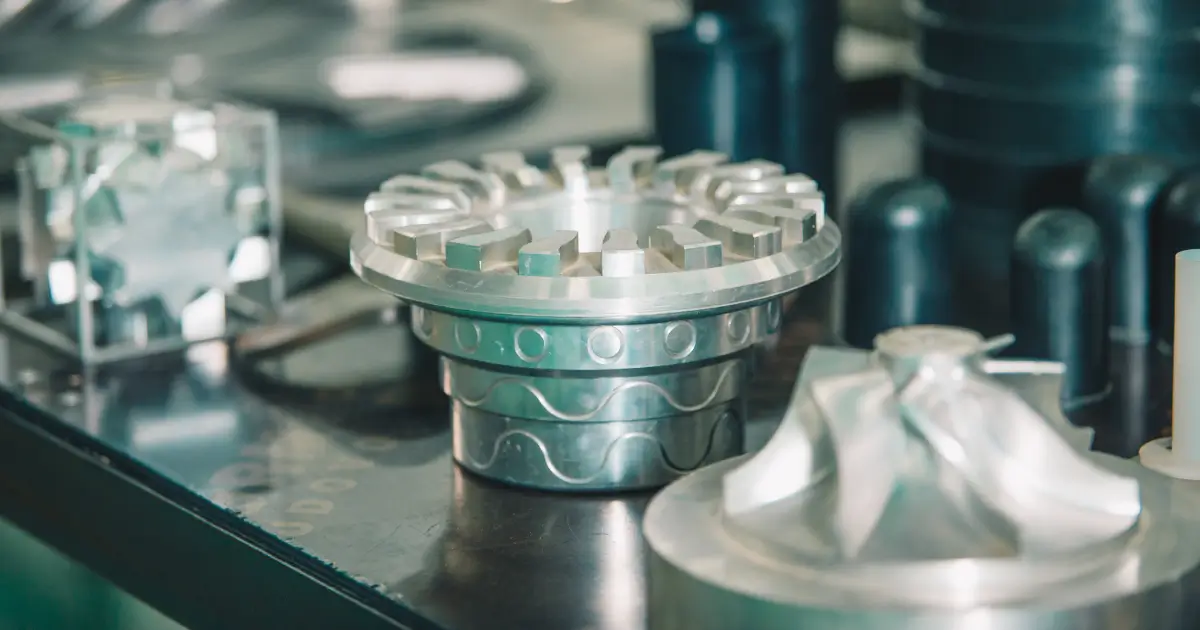
Replace vs Repair Industrial Tooling is one of the most important cost and performance decisions in manufacturing. Tooling directly affects precision, production speed, surface finish, material waste, and downtime.
Make the wrong decision, and you risk:
Increased breakdowns
Inconsistent product quality
Higher scrap rates
Production delays
Long-term cost blowouts
Make the right decision, and you improve:
Operational efficiency
Tool life cycles
Production consistency
Overall profitability
The key is understanding when repair is viable — and when replacement is the smarter investment.
When Repairing Industrial Tooling Makes Sense
Repairing tooling is often the best option when structural integrity remains intact and wear is limited.
Repair is usually viable when:
✔ Wear is minor and localised
✔ The base structure is not cracked or distorted
✔ Tolerances can be restored through re-machining
✔ Surface treatment or re-coating can extend life
✔ Downtime impact is minimal
For example, extrusion dies or mould components with surface wear, can often be refurbished, polished, re-machined, or re-coated to restore performance.
In many cases, repair can extend tooling life by 20–50% at a fraction of full replacement cost.
When You Should Replace Industrial Tooling
There is a point where repair becomes a false economy.
Replacement is usually the smarter choice when:
✖ Structural cracks or fatigue are present
✖ Repeated repairs have altered tolerances
✖ Tool geometry is no longer accurate
✖ Production quality is inconsistent
✖ Downtime costs exceed replacement investment
✖ Technology upgrades improve efficiency
If a tool has been repaired multiple times, dimensional stability may already be compromised. This leads to increased setup time, quality variation, and hidden production costs.
Sometimes the cheapest option short-term becomes the most expensive long-term.
The Hidden Costs Most Manufacturers Miss
Many workshops only compare repair cost vs replacement cost.
But the real decision must include:
Production downtime
Labour time
Setup recalibration
Material waste
Lost customer confidence
Energy inefficiency
Machine wear caused by poor tooling
A worn tool running at reduced efficiency can cost far more over 12 months than investing in precision replacement.
Performance vs Cost: The Smart Decision Framework
Instead of asking “What is cheaper today?”, ask:
What is the remaining service life?
What is the risk of failure?
What is the production downtime cost?
Is accuracy still within tolerance?
Would a new tool improve efficiency or output?
If replacement increases production speed, improves finish, or reduces scrap, it often pays for itself faster than expected.
The Role of Preventive CNC Tooling Maintenance
Regular inspection and preventive maintenance dramatically improve the replacement vs. repair decision process.
With proper maintenance:
Wear is identified early
Repairs remain viable longer
Unexpected failures are reduced
Replacement can be planned instead of being reactive
At Smart Tooling, we recommend scheduled tooling assessments to evaluate structural condition, wear patterns, and the impact on performance before major failures occur.
Upgrade Opportunities During Replacement
Replacement is not just about restoring function — it can be an opportunity to improve performance.
Modern CNC machining allows for:
Improved material selection
Tighter tolerances
Surface finish improvements
Better heat treatment
Design refinements
In many cases, redesigned tooling can increase productivity and reduce cycle times.
Final Recommendation: Think Long-Term
Repair when:
Wear is minor
Structure is sound
Performance can be fully restored
Replace when:
Structural fatigue is present
Tolerances are compromised
Downtime costs are rising
Production quality suffers
The smartest manufacturers evaluate tooling not as an expense — but as a performance asset.
Need Expert Advice on Your Tooling?
If you’re unsure whether to repair or replace your industrial tooling, our team can assess the condition and provide a practical recommendation based on performance, cost, and long-term efficiency.
👉 Request a tooling assessment today.
Frequently Asked Questions About Replacing vs Repairing Industrial Tooling
Understanding the difference between repairing and replacing industrial tooling helps manufacturers reduce downtime, control costs, and maintain production accuracy. Below are common questions business owners and production managers ask when evaluating tooling performance and long-term reliability.